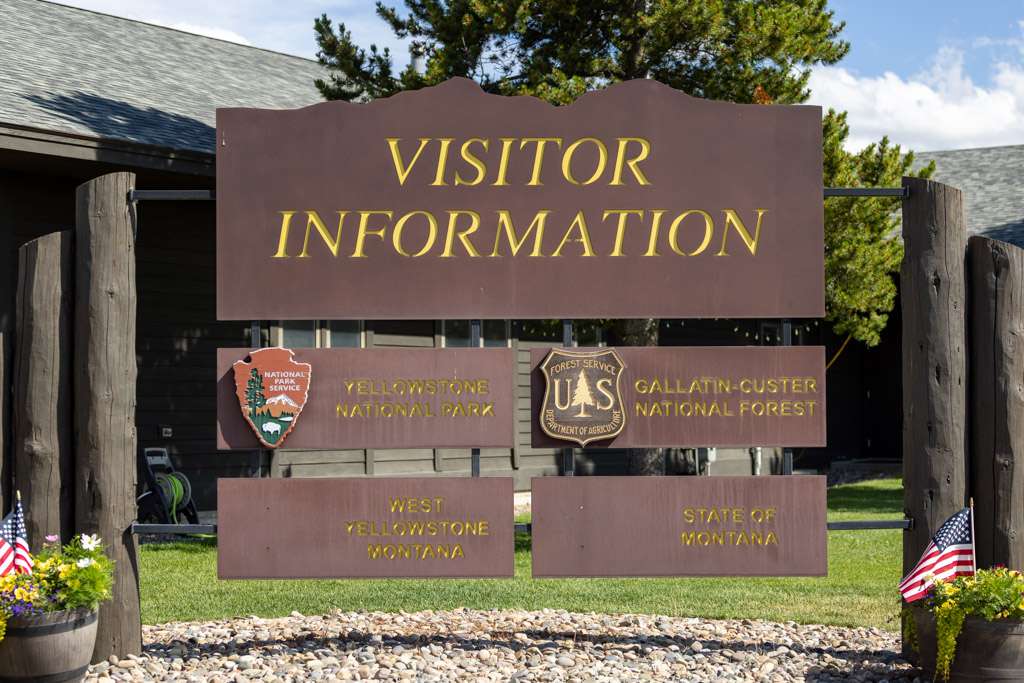
A Yellowstone RV trip can be an unforgettable family adventure. Between towering mountains, steaming geysers, rushing waterfalls, wandering bison, and endless scenic roads, there is no shortage of things to see.
But if you are traveling with kids, there is one challenge every parent knows well: keeping everyone excited when the day’s itinerary includes several hours in an RV.
Yellowstone is enormous, and getting from one attraction to another can take time. Wildlife can appear unexpectedly, traffic can slow down, and some scenic drives can feel long for younger travelers.
The good news is that Yellowstone is naturally suited to family exploration. With a little creativity, you can turn the drive, hikes, wildlife stops, and evenings at the campground into part of the adventure.
Instead of simply telling kids to look out the window, give them something to search for, learn, photograph, or accomplish.
Here are some practical ways to keep kids engaged during your next Yellowstone RV trip.
Turn the Trip Into an Adventure
Children often respond better to an adventure than an itinerary.
Instead of saying, “We are driving to Yellowstone Lake,” give the destination a story.
Tell your kids they are going on a wildlife expedition, geothermal treasure hunt, or mountain exploration mission.
Give them small goals throughout the day.
For example:
- Find three different types of wildlife.
- Spot a waterfall.
- Identify five bird species.
- Take a picture of something yellow.
- Find a bubbling geothermal feature.
- Look for animal tracks.
- Find the highest viewpoint of the day.
These simple challenges can turn passive sightseeing into active participation.
Create a Yellowstone Scavenger Hunt
A scavenger hunt is one of the easiest ways to keep kids interested during a Yellowstone road trip.
Before leaving your RV park, create a list of things they might see.
Your list could include:
- Bison
- Elk
- Mountain peaks
- Geysers
- Hot springs
- Waterfalls
- Ravens
- Wildflowers
- Pine trees
- A Yellowstone sign
- A river
- A ranger
- A bridge
Older children can keep track of their discoveries themselves, while younger children can use pictures instead of words.
The goal does not have to be competition. The scavenger hunt simply gives kids something to focus on during long stretches of driving.
Make Wildlife Watching a Game
Yellowstone is one of the best places in the country to introduce children to wildlife watching.
Instead of simply pointing out animals, encourage kids to observe their behavior.
Ask questions such as:
“How many bison can you count?”
“What is the elk doing?”
“Why do you think that bird is near the river?”
“Can you find the animal’s ears?”
“Which direction is the herd moving?”
Binoculars can make this even more exciting.
Give children their own pair and let them become the family’s official wildlife spotters.
Teach Kids About Wildlife Safety
A Yellowstone trip is also an opportunity to teach children about respecting wild animals.
Kids should understand that bison, bears, elk, moose, and other animals are wild creatures, not pets.
Explain basic rules before entering the park.
Teach children to:
- Stay a safe distance from wildlife.
- Never feed animals.
- Never approach an animal.
- Stay with adults.
- Follow ranger instructions.
- Stay inside the vehicle during roadside wildlife encounters when appropriate.
Turning safety rules into part of the adventure can make them easier for children to remember.
Bring a Junior Ranger Activity Book
The National Park Service’s Junior Ranger program is one of the best ways to help children engage with Yellowstone.
Junior Ranger activities encourage kids to learn about the park’s wildlife, geology, history, and conservation.
The activities can transform a sightseeing trip into an educational adventure.
Children can learn about:
- Geysers
- Volcanoes
- Wildlife
- Ecosystems
- Park history
- Conservation
For kids who enjoy completing challenges, earning a Junior Ranger badge can become one of the highlights of the trip.
Let Kids Help Plan the Route
Children are more likely to stay interested when they have some control over the itinerary.
Before each day, give them a map and explain where you are going.
Let each child choose one activity.
For example:
One child chooses a waterfall.
Another chooses a wildlife viewing area.
Another chooses a geyser.
You can still maintain control of the overall itinerary while giving kids a sense of ownership.
It also teaches basic map-reading and trip-planning skills.
Give Kids Their Own Cameras
You do not need expensive photography equipment to make this work.
A simple camera or phone can turn a child into a Yellowstone photographer.
Give kids a daily photography challenge.
Ideas include:
- Best wildlife photo
- Best mountain photo
- Funniest photo
- Best sunset
- Most unusual plant
- Best reflection
- Favorite Yellowstone moment
At the end of each day, look through the photographs together.
This can become a fun family tradition.
Pack Activities for Long Drives
Even the most beautiful scenery eventually becomes tiring for younger passengers.
Keep a small collection of road-trip activities available inside the RV.
Consider bringing:
- Coloring books
- Travel games
- Activity books
- Puzzles
- Card games
- Audiobooks
- Headphones
- Nature guides
- Sketchbooks
Avoid giving kids access to everything at once.
Instead, rotate activities throughout the day so each one feels new.
Play Yellowstone Road Games
Classic road-trip games can work surprisingly well in Yellowstone.
Try:
I Spy
One person chooses something visible outside the vehicle and gives clues.
Alphabet Game
Look for signs, objects, or landmarks beginning with each letter.
Wildlife Bingo
Create bingo cards featuring animals and natural features.
20 Questions
Use Yellowstone animals, landmarks, or geological features as the subjects.
Count the Animals
Choose a species and see how many you can spot during the drive.
These games require little equipment and can keep kids entertained for surprisingly long stretches.
Make Hiking Kid-Friendly
Not every Yellowstone hike needs to be a major expedition.
Choose trails that match your children’s ages and abilities.
Short walks can be just as memorable as longer hikes.
Let kids take the lead by encouraging them to look for:
- Interesting rocks
- Wildflowers
- Birds
- Animal tracks
- Pinecones
- Streams
- Unusual trees
Avoid turning every walk into a race to reach the destination.
For children, the most exciting part may be the tiny discoveries along the way.
Give Kids a Nature Journal
A nature journal can be an excellent alternative to screen time.
Give each child a notebook and encourage them to record what they see.
They might:
- Draw animals
- Sketch mountains
- Record temperatures
- Write down interesting facts
- Describe their favorite activity
- Collect observations
- Draw geysers
Older children can write detailed entries, while younger children can simply draw pictures.
Years later, these journals can become treasured family souvenirs.
Let Kids Help With the RV
The RV itself can become part of the adventure.
Give children age-appropriate responsibilities.
They might help:
- Pack their daypack
- Fill water bottles
- Check the weather
- Organize snacks
- Choose a game
- Help prepare lunch
- Keep track of binoculars
This teaches responsibility while making children feel like active members of the expedition.
Make Meals Part of the Experience
Food can be another way to keep children engaged.
Instead of treating meals as something that interrupts sightseeing, make them part of the adventure.
Let kids help prepare a picnic before leaving the RV park.
They can choose:
- Sandwiches
- Fruit
- Snacks
- Drinks
- Cookies
Then find a designated picnic area and enjoy the meal together.
For RV families, preparing food at the campsite can also reduce the stress of trying to find a restaurant during peak travel hours.
Schedule Downtime
One of the biggest mistakes families can make is trying to fill every minute.
Yellowstone is physically and mentally stimulating.
Children need time to relax.
Build breaks into your itinerary.
After a morning of sightseeing, return to your RV for lunch and quiet time.
Later, you can head back out for another activity.
Downtime can prevent kids from becoming overtired and help everyone enjoy the trip more.
Plan a Special Evening at the RV Park
Your Yellowstone adventure does not have to end when you leave the national park.
Evenings at the RV park can become part of the trip.
Depending on campground rules and conditions, families can:
- Play cards
- Tell stories
- Play outdoor games
- Look at stars
- Read
- Draw pictures
- Talk about the day’s adventures
Ask each child to share their favorite moment of the day.
You may be surprised by their answers.
The thing they remember most may not be Old Faithful. It might be seeing a chipmunk, finding a cool rock, or making pancakes in the RV.
Teach Kids About Yellowstone’s Geology
Yellowstone is essentially a giant outdoor science classroom.
Children can learn that the park sits over a volcanic system responsible for its incredible geothermal features.
Talk about:
- Geysers
- Hot springs
- Mud pots
- Fumaroles
- Earth’s heat
- Volcanic geology
At each geothermal feature, ask your kids to describe what they see, hear, and smell.
This turns sightseeing into a hands-on science lesson.
Use the Visitor Centers
Yellowstone’s visitor centers can be valuable resources for families.
They offer exhibits, educational information, maps, and opportunities to learn more about the park.
Before visiting, check current operating hours and available programs.
If your children enjoy asking questions, encourage them to speak with park rangers.
A ranger-led conversation can make Yellowstone feel much more interesting than simply reading information from a sign.
Don’t Chase Every Attraction
Kids do not need to see everything.
Trying to check every major attraction off your Yellowstone list can make the trip exhausting.
Instead, choose a few major highlights each day.
For example:
Day One: Old Faithful and nearby geothermal features
Day Two: Wildlife viewing and a short hike
Day Three: Yellowstone Lake and scenic viewpoints
Day Four: Waterfalls and another wildlife drive
A flexible schedule leaves room for unexpected discoveries.
Make Room for Spontaneous Stops
Some of the best Yellowstone memories happen when you least expect them.
You might see a herd of bison crossing the road.
You might discover an unusual viewpoint.
You might notice a family of birds along a river.
When it is safe and permitted, take advantage of these unexpected moments.
Children often remember spontaneous discoveries more vividly than carefully planned attractions.
Bring Snacks for the Road
Never underestimate the importance of snacks on a Yellowstone road trip.
Long drives, hiking, and high elevation can leave children hungry quickly.
Pack a variety of options.
Consider:
- Granola bars
- Fruit
- Crackers
- Trail mix
- Sandwiches
- Pretzels
- Dried fruit
- Water
Keeping snacks accessible can prevent hunger-related meltdowns and reduce unnecessary stops.
Prepare for Changing Weather
Children can become uncomfortable quickly when conditions change.
Yellowstone weather can shift dramatically, even during summer.
Pack layers and keep rain gear easily accessible.
A child’s daypack might include:
- Light jacket
- Rain jacket
- Water bottle
- Hat
- Sunglasses
- Sunscreen
- Small snack
Being prepared helps children stay comfortable and keeps the adventure moving.
Give Everyone a Yellowstone Job
A fun way to keep the entire family involved is to assign responsibilities.
One child can be the:
Wildlife Spotter
Another can be the:
Map Reader
Another can be the:
Photographer
Another can be the:
Snack Manager
Switch roles each day so everyone gets a chance to participate.
This turns a family vacation into a shared expedition.
Choose a Comfortable RV Base
Your campsite matters when traveling with children.
After a full day in Yellowstone, having a comfortable place to return to can make a major difference.
A convenient RV park near West Yellowstone allows your family to:
- Rest between adventures
- Prepare meals
- Recharge devices
- Relax outdoors
- Avoid excessive driving
- Get ready for the next day
A comfortable home base gives everyone space to recover before the next Yellowstone adventure.
Final Thoughts
Keeping kids engaged on a Yellowstone RV trip does not require constant entertainment.
The park itself provides the adventure.
The key is to give children ways to participate. Let them watch for wildlife, help plan the route, take photographs, complete Junior Ranger activities, keep nature journals, play road games, and discover the landscape at their own pace.
Remember to build in plenty of rest and avoid trying to see everything in one trip.
For families staying near West Yellowstone, the combination of a comfortable RV base and easy access to Yellowstone creates an ideal setup for a memorable family vacation.
Years from now, your children may not remember every geyser or scenic overlook. They may remember the bison crossing the road, the game you played in the RV, the picnic beside a mountain view, or the evening you spent talking beneath the Montana sky.
Those simple moments are what turn a Yellowstone vacation into a family adventure worth remembering.